
Why Boilers Break Down in the First Cold Snap
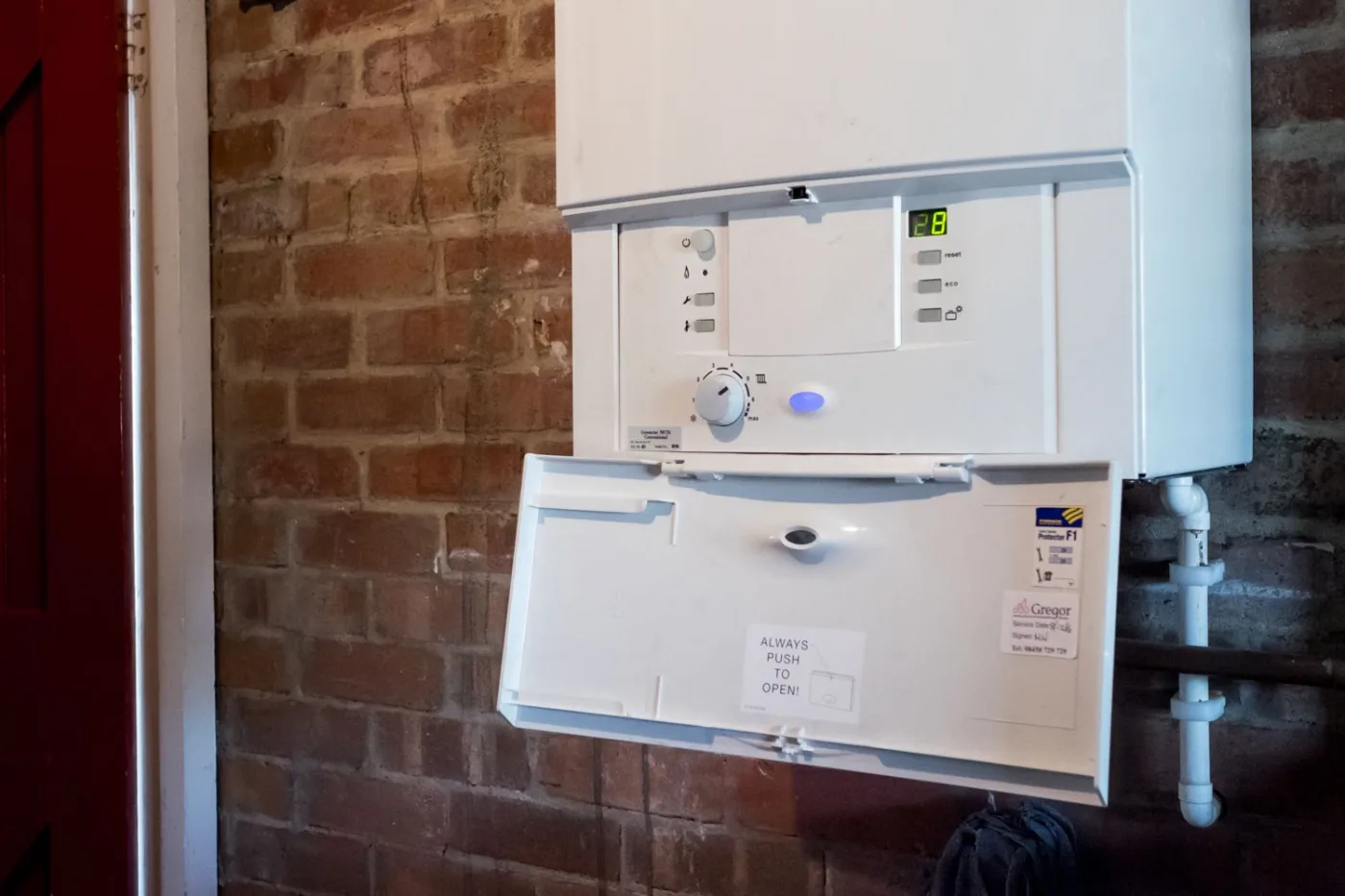
Every year the same thing happens. The temperature drops for the first time, and within forty eight hours every heating engineer in the North East is booked solid. It is not coincidence and it is not bad luck. Here is why boilers fail in the first cold snap, and what you can do about it now rather than in the queue.
Six months of standing still
Most households switch the heating off around April and do not touch it again until late September. That is half a year of a pump not turning, valves not moving and seals slowly drying out. Mechanical parts that sit idle seize. The pump is the classic one: it works fine in March, sits still all summer, and refuses to start in October.
The load goes from nothing to everything overnight
There is no gentle warm up. One week the boiler runs for ten minutes a day for hot water, the next it is running for hours to heat a house against a North Sea wind. Any component that was marginal gets found out immediately. A heat exchanger partly furred with limescale copes fine with light duty and overheats under real load.
Sludge only shows up when you need the system
This is the big one, and it is the reason so many "boiler broken" calls turn out not to be the boiler at all. Over years, corrosion inside steel radiators produces black iron oxide sludge that settles in the bottom of radiators and collects in the pump and heat exchanger.
In summer it does nothing. In winter it restricts circulation, so the boiler works harder, cycles on and off, bangs and kettles, and eventually cuts out. The symptoms are recognisable: radiators cold at the bottom, cold spots across the panel, black water when you bleed, and kettling noises from the boiler. If that sounds like your system, a power flush fixes the cause rather than the symptom.
The condensate pipe freezes
Condensing boilers drain acidic waste water through a plastic pipe, and where that pipe runs outside, a hard frost turns it solid. The boiler senses the blockage and shuts itself down. It is the single most common cold snap fault in this part of the country, and it is almost entirely preventable by lagging the pipe before winter. See our guide to thawing and preventing it.
What actually prevents it
- Book the service now, not in December. An annual service finds the seizing pump and the furred exchanger while it is still an inconvenience rather than an emergency. We explain the timing in why September beats December for a boiler service.
- Run the heating for twenty minutes in September. Free, takes no effort, and it flushes out the problems while engineers still have availability.
- Lag any external condensate pipe. A few pounds of pipe insulation prevents the most common winter breakdown there is.
- Bleed the radiators. If you are bleeding them constantly, that is not normal, and this explains why.
- Fit a magnetic filter if you do not have one. It catches the sludge before it reaches the boiler.
Why September and October beat December
Availability. In a cold snap, every engineer covering Sunderland, Newcastle, Durham and Washington is running emergency call outs, and a service booking goes to the back of the queue behind people with no heat at all. Book it while it is still mild and you get the appointment you want.
The rest of our winter guides
If it has already gone wrong, or you want to be ready before it does, these cover the rest:
- No heating in cold weather, what to check first, the checks worth doing before you call anyone out.
- Boiler will not fire up in cold weather, the four usual causes when it tries to light and fails.
- Boiler emergency over Christmas, what counts as urgent when suppliers are shut and most of the trade is off.
- Landlord winter checklist, gas safety and the rest before tenants are cold.
- Getting your boiler ready for winter, the short version of everything above.
Get ahead of the winter rush.
An annual service from a local Gas Safe engineer catches faults early, keeps your warranty valid and keeps everything running efficiently. From £80 +VAT. AR Heating & Gas cover the North East.
Book a serviceWhere to go next
It is not coincidence. Months of standing still, then full load overnight. A service in autumn catches most of it. If yours has already gone, our out of hours cover includes Gateshead and South Shields.
Not sure we reach you? Call 0191 540 2051 and we will tell you in seconds.